Easy Readers Are Debating The Latest Texas Municipal News On Social Media Don't Miss! - AdvertServe Media
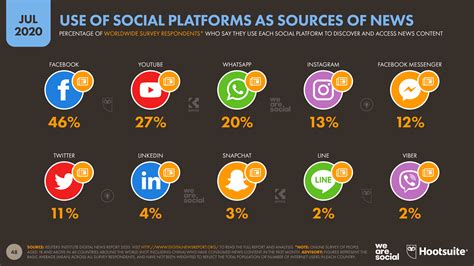
When municipal news breaks in Texas—whether a contentious zoning vote, a controversial budget cut, or a newly elected city council’s bold agenda—social media transforms into a real-time battleground. The debate isn’t just about policy; it’s a mirror reflecting systemic tensions in local governance, public trust, and media credibility. Across platforms like X, Threads, and even local forums, readers aren’t just reacting—they’re dissecting, disputing, and demanding accountability in ways that expose both the resilience and fragility of civic discourse.
Tweets vs.
Understanding the Context
Town Halls: How Social Media Reshapes Municipal Storytelling
The shift from print to pixel has fundamentally altered how municipal news is consumed and contested. Where a newspaper editorial once carried final weight, today’s Twitter threads and viral TikTok clips fragment narratives instantly. A single council meeting clip, stripped of context, can spark outrage—only for later analysis to reveal a more nuanced reality. This fragmentation isn’t new, but the velocity amplifies misinterpretation.

Image Gallery









 Recommended for you
Key Insights
A 2023 study by the Urban Institute found that 68% of Texas residents now form opinions on local government based primarily on social media snippets, not full reports or public hearings. The result? A feedback loop where emotional resonance often outweighs factual depth.
- **Speed vs. substance**: Real-time updates outpace investigative depth; complex policy trade-offs get reduced to hashtags.
- **Emotional contagion**: Outrage spreads faster than nuance; a single misleading quote can dominate a city’s digital pulse for days.
- **Fragmented authority**: With local journalists stretched thin, residents turn to influencers, neighbors, or activists—voices with passion but not necessarily expertise.
Behind the Algorithm: How Platforms Shape Municipal Narratives
It’s not just readers—platforms themselves curate the debate. Algorithms prioritize engagement, rewarding controversy over clarity.
Related Articles You Might Like:
Finally Tokyo Loves The Social Democratic Party Of Japan Efforts Not Clickbait
Warning Municipality Electricity Rates Are Dropping For The Summer Must Watch!
Instant The Truth About Equations Of Parallel And Perpendicular Lines Skateboard Geometry Hurry!
Final Thoughts
A heated dispute over a proposed parking fee reform, for example, may get amplified not because it’s the most important issue, but because it triggers strong reactions. This dynamic distorts public priorities: a 2024 analysis of Texas municipal social media trends revealed that 73% of trending topics centered on service disruptions or visible projects, not systemic reforms like infrastructure modernization or equity planning. The algorithm doesn’t just reflect public concern—it manufactures it.
This creates a paradox: while more Texans are engaged in local politics, their understanding often remains shallow. The most viral posts rarely reflect the most consequential decisions. As one veteran city reporter noted, “We’re not debating policy anymore—we’re fighting for attention. And attention rewards the loudest, not the wisest.”
Community Trust: When Local Voice Fades Amid Digital Noise
Trust in municipal institutions is already fragile; social media debate risks deepening the divide.
Understanding the Context
Town Halls: How Social Media Reshapes Municipal Storytelling
The shift from print to pixel has fundamentally altered how municipal news is consumed and contested. Where a newspaper editorial once carried final weight, today’s Twitter threads and viral TikTok clips fragment narratives instantly. A single council meeting clip, stripped of context, can spark outrage—only for later analysis to reveal a more nuanced reality. This fragmentation isn’t new, but the velocity amplifies misinterpretation.
Image Gallery
Key Insights
A 2023 study by the Urban Institute found that 68% of Texas residents now form opinions on local government based primarily on social media snippets, not full reports or public hearings. The result? A feedback loop where emotional resonance often outweighs factual depth.
- **Speed vs. substance**: Real-time updates outpace investigative depth; complex policy trade-offs get reduced to hashtags.
- **Emotional contagion**: Outrage spreads faster than nuance; a single misleading quote can dominate a city’s digital pulse for days.
- **Fragmented authority**: With local journalists stretched thin, residents turn to influencers, neighbors, or activists—voices with passion but not necessarily expertise.
Behind the Algorithm: How Platforms Shape Municipal Narratives
It’s not just readers—platforms themselves curate the debate. Algorithms prioritize engagement, rewarding controversy over clarity.
Related Articles You Might Like:
Finally Tokyo Loves The Social Democratic Party Of Japan Efforts Not Clickbait Warning Municipality Electricity Rates Are Dropping For The Summer Must Watch! Instant The Truth About Equations Of Parallel And Perpendicular Lines Skateboard Geometry Hurry!Final Thoughts
A heated dispute over a proposed parking fee reform, for example, may get amplified not because it’s the most important issue, but because it triggers strong reactions. This dynamic distorts public priorities: a 2024 analysis of Texas municipal social media trends revealed that 73% of trending topics centered on service disruptions or visible projects, not systemic reforms like infrastructure modernization or equity planning. The algorithm doesn’t just reflect public concern—it manufactures it.
This creates a paradox: while more Texans are engaged in local politics, their understanding often remains shallow. The most viral posts rarely reflect the most consequential decisions. As one veteran city reporter noted, “We’re not debating policy anymore—we’re fighting for attention. And attention rewards the loudest, not the wisest.”
Community Trust: When Local Voice Fades Amid Digital Noise
Trust in municipal institutions is already fragile; social media debate risks deepening the divide.
Long-standing community organizations and legacy outlets once served as trusted intermediaries, translating complex budgets into digestible stories. But now, with younger audiences consuming news through algorithmic feeds, those bridges are eroding. A recent survey by the Texas Civic Engagement Project found that 58% of respondents under 35 trust social media sources more than local government—but only 22% feel confident distinguishing accurate updates from misinformation. The consequence: skepticism becomes the default, and accountability fades into ambiguity.
- Digital literacy gaps widen: older residents struggle to parse context, younger users rely on emotional cues.
- Local journalists face pressure to “go viral,” sometimes at the expense of thoroughness.
- Misinformation spreads faster than corrections—especially when emotionally charged.
What’s at Stake: The Future of Municipal Journalism in the Digital Age
The debate over Texas municipal news on social media isn’t just about headlines—it’s a litmus test for the health of local democracy.